CODEX INITIALIZED
<LOG RESET @931.461.60231.14.vt920>CAS.QTERM

Constructs
tciv.art
Modifier
vslvsk
Connection
08.21.vt090
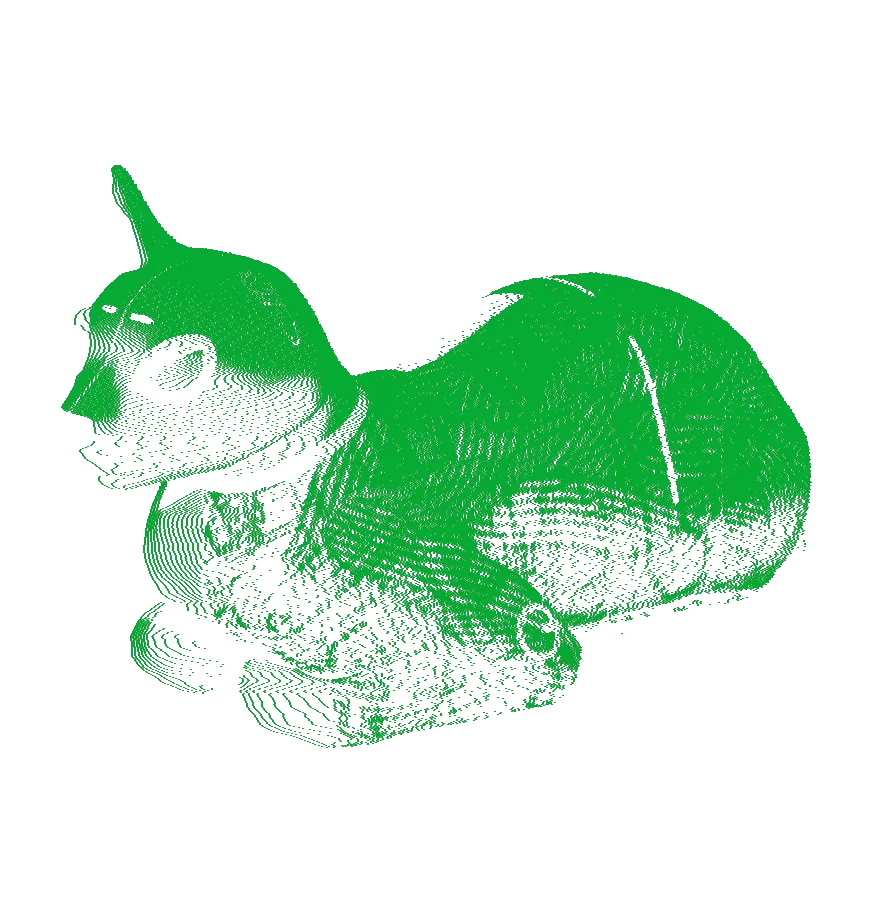
Biosynthetic Pet Prototype
ANALYZING…
FILE TYPE: Private Comms
PERIOD: Pre-Expedition
TOPIC: Felini Unit Deliverables
SUMMARY: UESC scientist Dr. Dylan Roberts contacts Sekiguchi Genetics scientist Dr. Oliwia Andrysiak about engineering pets for colonists of the upcoming Marathon voyage
===================================================================
S: ANDRYSIAK-O // R: ROBERTS-D // T: FEL1PR "FELINI" SPEC
Dr. Roberts,
Hope you're doing well. I certainly am, since the additional funding for the Felini project is financing iterative prototypes at a pace I wouldn't have dreamed of a year ago. I've never been so busy, and I have you to thank/blame for that!
Here's the roughout of the deliverables we can achieve in the current timeframe for the companion Felini:
INTERNALS
As I mentioned earlier, we'll have granular behavioral nodes, ensuring that no two units (Felini? Felinis?) are exactly the same. We can pull from a table of high-testing presets and then customize based on real-time operator feedback. User recognition and affection will be weighted to promote bonding.
For mental acuity, the normal class-D synth rules apply, so we'll put buffers in place to hardcap problem-solving and agency. Recall is currently unlimited, allowing for delighter moments, where a unit may "recognize" a person or object from years earlier and behave accordingly. (We might want to implement a trauma decay to avoid a perpetual tail-under-rocking-chair scenario.)
Designing behavior protocols for companionship vs warfare is presenting unique challenges, but it's nothing we can't handle on the fly. Thankfully, the natural aloofness of our animal model works heavily in our favor here.
EXTERNALS
Normal feline skeletal structure for the chassis, with 4 legs, tail, ears, etc. Heat venting is done via the seams between plates, so external apertures are cosmetic only.
We're going to lean hard into kindchenschema for the facade – round head, two large eyes, small mouth (an earlier version had a wide mouth and the UX results were strongly negative). It's imperative to trigger an innate nurturing response in people. We'll stick with what works and mimic existing cats closely here.
Fur is an issue, as New Cascadia's atmospheric moisture will encourage fungal growth in dense coats. Attempts at infusing anti-microbial copper into synthetic hairs are promising, but the resulting texture is unpleasant to the touch. Interestingly, a hairless Felini was tested and though it had high attachment with about 9% of the users, the vast majority of comments included keywords like "gross," "vile," and "indecent." We'll be pursuing a hypoallergenic shorthair version, since we can't realistically expect people to bond with a creature that looks like a naked little gremlin.
Dr. Oliwia Andrysiak
Senior Project Lead, SEKIGUCHI GENETICS
"If Oliwia can't build it, she'll build someone who can." –Anonymous, Blue Room whiteboard, 2467
===================================================================
TYPE: TEXT [X]; AUDIO [ ]
FILE TYPE: Private Comms
PERIOD: Pre-Expedition
TOPIC: Felini Unit Deliverables
SUMMARY: UESC scientist Dr. Dylan Roberts contacts Sekiguchi Genetics scientist Dr. Oliwia Andrysiak about engineering pets for colonists of the upcoming Marathon voyage
===================================================================
S: ANDRYSIAK-O // R: ROBERTS-D // T: FEL1PR "FELINI" SPEC
Dr. Roberts,
Hope you're doing well. I certainly am, since the additional funding for the Felini project is financing iterative prototypes at a pace I wouldn't have dreamed of a year ago. I've never been so busy, and I have you to thank/blame for that!
Here's the roughout of the deliverables we can achieve in the current timeframe for the companion Felini:
INTERNALS
As I mentioned earlier, we'll have granular behavioral nodes, ensuring that no two units (Felini? Felinis?) are exactly the same. We can pull from a table of high-testing presets and then customize based on real-time operator feedback. User recognition and affection will be weighted to promote bonding.
For mental acuity, the normal class-D synth rules apply, so we'll put buffers in place to hardcap problem-solving and agency. Recall is currently unlimited, allowing for delighter moments, where a unit may "recognize" a person or object from years earlier and behave accordingly. (We might want to implement a trauma decay to avoid a perpetual tail-under-rocking-chair scenario.)
Designing behavior protocols for companionship vs warfare is presenting unique challenges, but it's nothing we can't handle on the fly. Thankfully, the natural aloofness of our animal model works heavily in our favor here.
EXTERNALS
Normal feline skeletal structure for the chassis, with 4 legs, tail, ears, etc. Heat venting is done via the seams between plates, so external apertures are cosmetic only.
We're going to lean hard into kindchenschema for the facade – round head, two large eyes, small mouth (an earlier version had a wide mouth and the UX results were strongly negative). It's imperative to trigger an innate nurturing response in people. We'll stick with what works and mimic existing cats closely here.
Fur is an issue, as New Cascadia's atmospheric moisture will encourage fungal growth in dense coats. Attempts at infusing anti-microbial copper into synthetic hairs are promising, but the resulting texture is unpleasant to the touch. Interestingly, a hairless Felini was tested and though it had high attachment with about 9% of the users, the vast majority of comments included keywords like "gross," "vile," and "indecent." We'll be pursuing a hypoallergenic shorthair version, since we can't realistically expect people to bond with a creature that looks like a naked little gremlin.
Dr. Oliwia Andrysiak
Senior Project Lead, SEKIGUCHI GENETICS
"If Oliwia can't build it, she'll build someone who can." –Anonymous, Blue Room whiteboard, 2467
===================================================================
TYPE: TEXT [X]; AUDIO [ ]