CODEX INITIALIZED
<LOG RESET @931.461.60231.14.vt920>CAS.QTERM

Constructs
tciv.art
Modifier
vslvsk
Connection
08.21.vt090
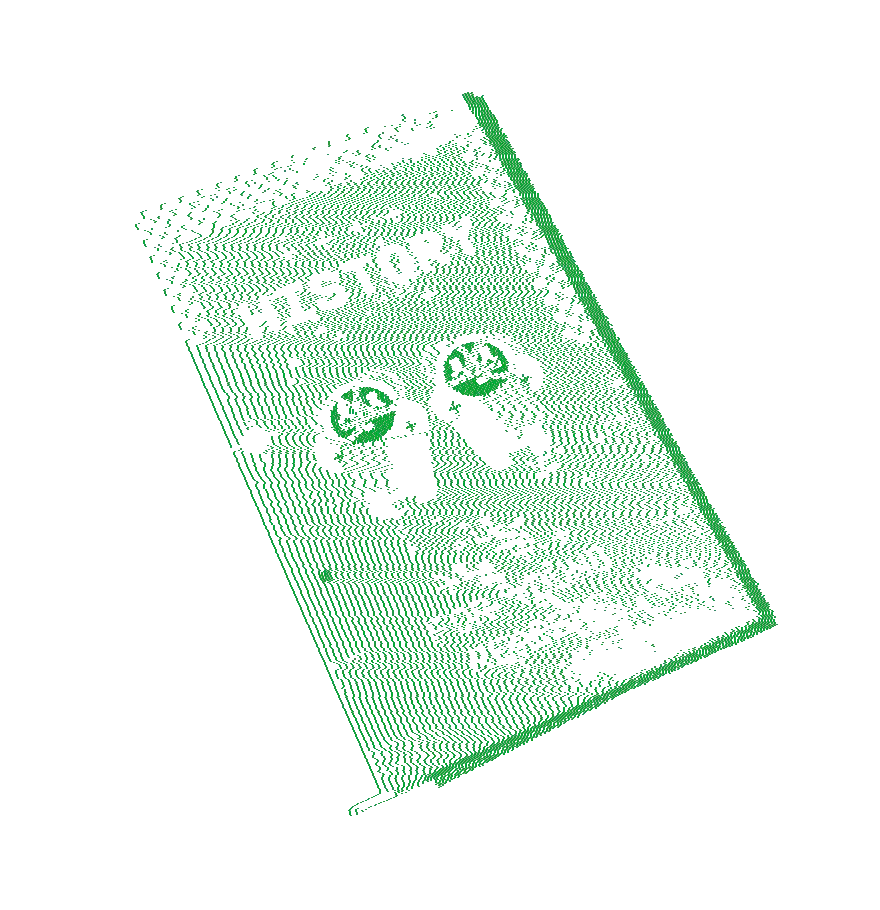
History for Young Readers
ANALYZING…
FILE TYPE: School-age Curriculum
PERIOD: Colony Era
TOPIC: Martian Colonization
SUMMARY: Lesson from an edutainment series, specifically for the young colonists of New Cascadia. The deliberate omission of recurrent Martian civil unrest is notable.
===================================================================
LESSON 3.4: MARS, OUR FIRST COLONY
Mars has always held a special place in human hearts. For centuries, humans imagined the Red Planet as home to alien mysteries and mythical creatures. The reality of Martian colonization is just as interesting and important as the stories we once told about it.
Early space programs sent probes and landers with science instruments to study the Martian environment. We needed to understand the Martian environment before sending the very first colony mission from Earth. Colonization of Mars happened in stages: brave volunteers left Earth with their families, and the UESC Colonial Registry carefully evaluated how many people Mars could support before sending more volunteers.
[illustration: artist's rendition of a colony ship in Martian orbit]
The thin atmosphere, cold temperatures, and lack of native life made Mars a harsh environment for the early colonists. Life was challenging, and events like the Polar Ice Crisis pushed the colonists to be creative with limited resources. It's important to honor the sacrifices of Martian colonists, and the crucial lessons learned from Mars.
Mars was an important first step. But the next human colony had to be different: greener, more Earth-like, and self-sufficient.
Study activities:
Interview a knowledgeable support AI (Naraah, Darius, or Bastion) about the differences between Mars and Tau Ceti's environments.
Build a digital model of a Martian re-condenser and add your own personal touches.
Attend an approved Martian cultural event. How do other people celebrate our very first colony?
===================================================================
TYPE: TEXT [X]; AUDIO [ ]
FILE TYPE: School-age Curriculum
PERIOD: Colony Era
TOPIC: Martian Colonization
SUMMARY: Lesson from an edutainment series, specifically for the young colonists of New Cascadia. The deliberate omission of recurrent Martian civil unrest is notable.
===================================================================
LESSON 3.4: MARS, OUR FIRST COLONY
Mars has always held a special place in human hearts. For centuries, humans imagined the Red Planet as home to alien mysteries and mythical creatures. The reality of Martian colonization is just as interesting and important as the stories we once told about it.
Early space programs sent probes and landers with science instruments to study the Martian environment. We needed to understand the Martian environment before sending the very first colony mission from Earth. Colonization of Mars happened in stages: brave volunteers left Earth with their families, and the UESC Colonial Registry carefully evaluated how many people Mars could support before sending more volunteers.
[illustration: artist's rendition of a colony ship in Martian orbit]
The thin atmosphere, cold temperatures, and lack of native life made Mars a harsh environment for the early colonists. Life was challenging, and events like the Polar Ice Crisis pushed the colonists to be creative with limited resources. It's important to honor the sacrifices of Martian colonists, and the crucial lessons learned from Mars.
Mars was an important first step. But the next human colony had to be different: greener, more Earth-like, and self-sufficient.
Study activities:
Interview a knowledgeable support AI (Naraah, Darius, or Bastion) about the differences between Mars and Tau Ceti's environments.
Build a digital model of a Martian re-condenser and add your own personal touches.
Attend an approved Martian cultural event. How do other people celebrate our very first colony?
===================================================================
TYPE: TEXT [X]; AUDIO [ ]