CODEX INITIALIZED
<LOG RESET @931.461.60231.14.vt920>CAS.QTERM

Constructs
tciv.art
Modifier
vslvsk
Connection
08.21.vt090
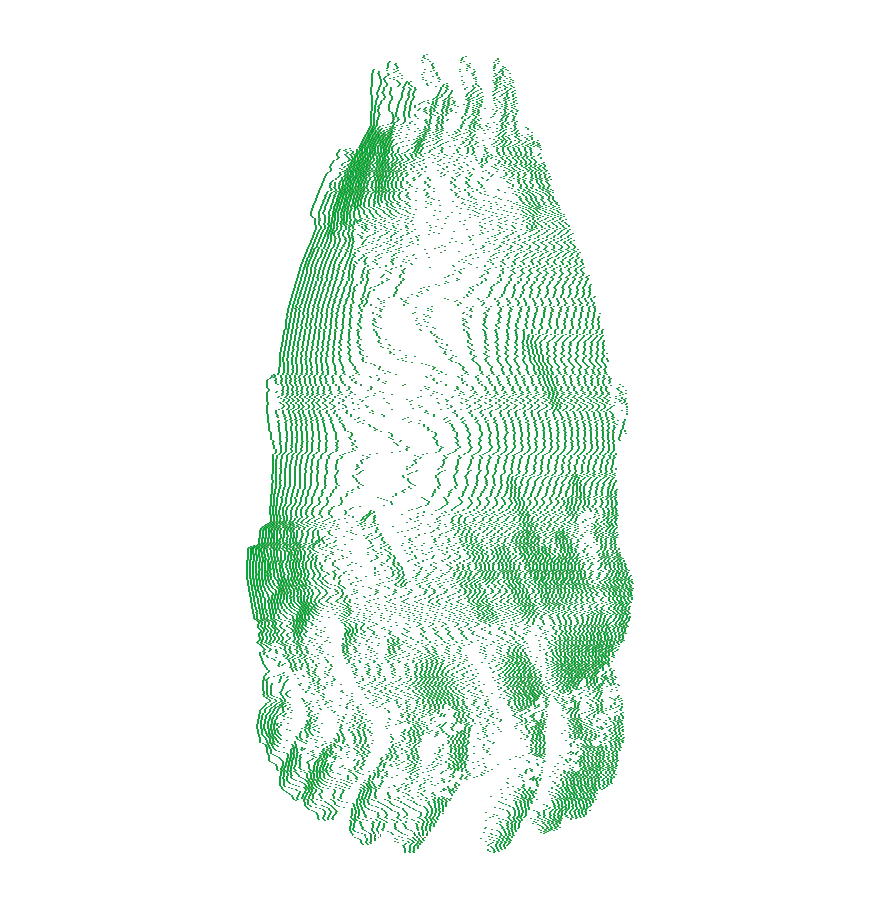
Weaveworm Stasis Knot
ANALYZING…
FILE TYPE: Sekiguchi Genetics Proprietary READ_ME Node
PEROID: Present Day
TOPIC: WEAVEworm Technology
SUMMARY: Overview of SYNTHsilk and its role in shell printing.
===================================================================
READ_ME.node
————————————————
An Introduction to SYNTHsilk
SYNTHsilk is the synthetic amalgamation of biological and manufactured materials WEAVEworms spin to thread the various layers of a shell's biosynthetic systems. It is comprised of lab-grown undifferentiated cells that have been edited for enhancement and to remove abnormalities before its integration into the worm "birthing" process.
No raw strands of SYNTHsilk exist in a shell. Every nano-spec of each thread is revisited by its initiating worm and many others as it is strengthened, molded, and woven into a fully realized synthetic fiber within its shell's "living" framework. This rethreading is achieved hundreds of times per strand, with a WEAVEworm's own bioprogramming "hunger" systems helping to encourage its progress. In short: Every worm, though functionally inorganic, has an endless "hunger" coded into its operational data sets. This allows it to chase the never-ending strand it is rethreading as it recycles the most exterior layer to aid in the production of its currently spun thread.
A word of warning: An unintended side effect of the "hunger"
system is that WEAVEworms allowed to interact free of or
with incomplete or damaged programming will attempt to
devour one another by default, creating a status knot which
requires full dismantling of all knotted worms to avoid
potential proprietary data corruption and/or access by
unapproved parties.
Each WEAVEworm is programmed to spin specifically calibrated SYNTHsilk threads for the job it has been assigned within its focus colony. Bone, tendons, muscle, nerves, veins, organs, skin layers, and more are all threaded in delicately synchronized patterns. The fine tuning of each shell's construction requires dedicated systems, custom labs, and experienced technicians. And while there are well-known instances of groups or individuals printing or repairing shells outside of Sekiguchi Genetics' authorized guidelines, it is a rare, and typically illicit, subversion of best practices that is strongly condemned by the company, its professional peers, and the UESC.
After all, the horrors of improperly "birthed," programmed, and overseen SYNTHsilk producers are both a cautionary tale and a hindrance to the broader public's view of shell technology. We save lives and improve living, but we are far from becoming the standard we envision.
===================================================================
TYPE: TEXT [X]; AUDIO [ ]
FILE TYPE: Sekiguchi Genetics Proprietary READ_ME Node
PEROID: Present Day
TOPIC: WEAVEworm Technology
SUMMARY: Overview of SYNTHsilk and its role in shell printing.
===================================================================
READ_ME.node
————————————————
An Introduction to SYNTHsilk
SYNTHsilk is the synthetic amalgamation of biological and manufactured materials WEAVEworms spin to thread the various layers of a shell's biosynthetic systems. It is comprised of lab-grown undifferentiated cells that have been edited for enhancement and to remove abnormalities before its integration into the worm "birthing" process.
No raw strands of SYNTHsilk exist in a shell. Every nano-spec of each thread is revisited by its initiating worm and many others as it is strengthened, molded, and woven into a fully realized synthetic fiber within its shell's "living" framework. This rethreading is achieved hundreds of times per strand, with a WEAVEworm's own bioprogramming "hunger" systems helping to encourage its progress. In short: Every worm, though functionally inorganic, has an endless "hunger" coded into its operational data sets. This allows it to chase the never-ending strand it is rethreading as it recycles the most exterior layer to aid in the production of its currently spun thread.
A word of warning: An unintended side effect of the "hunger"
system is that WEAVEworms allowed to interact free of or
with incomplete or damaged programming will attempt to
devour one another by default, creating a status knot which
requires full dismantling of all knotted worms to avoid
potential proprietary data corruption and/or access by
unapproved parties.
Each WEAVEworm is programmed to spin specifically calibrated SYNTHsilk threads for the job it has been assigned within its focus colony. Bone, tendons, muscle, nerves, veins, organs, skin layers, and more are all threaded in delicately synchronized patterns. The fine tuning of each shell's construction requires dedicated systems, custom labs, and experienced technicians. And while there are well-known instances of groups or individuals printing or repairing shells outside of Sekiguchi Genetics' authorized guidelines, it is a rare, and typically illicit, subversion of best practices that is strongly condemned by the company, its professional peers, and the UESC.
After all, the horrors of improperly "birthed," programmed, and overseen SYNTHsilk producers are both a cautionary tale and a hindrance to the broader public's view of shell technology. We save lives and improve living, but we are far from becoming the standard we envision.
===================================================================
TYPE: TEXT [X]; AUDIO [ ]