CODEX INITIALIZED
<LOG RESET @931.461.60231.14.vt920>CAS.QTERM

Constructs
tciv.art
Modifier
vslvsk
Connection
08.21.vt090
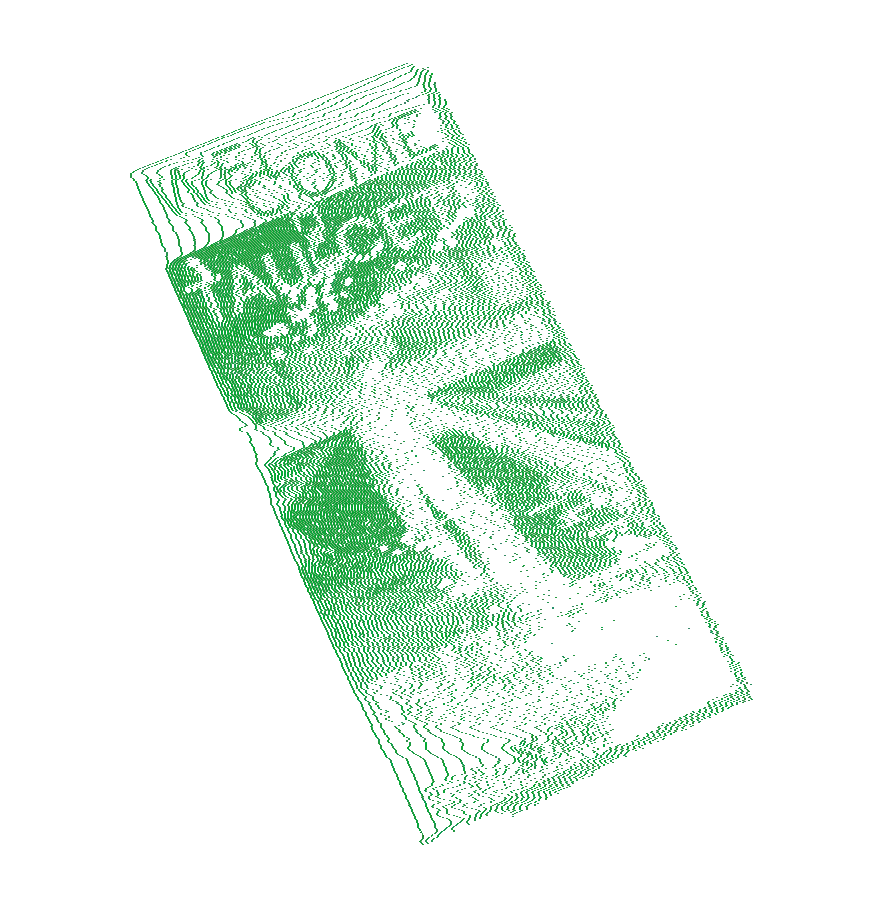
Welcome Package
ANALYZING…
FILE TYPE: Pamphlet
PERIOD: Colony Era
TOPIC: Planetary Relocation Disorder
SUMMARY: An informational document distributed to Tau Ceti colonists, adapted from documentation used for first-gen Mars inhabitants. The document outlines the symptoms and treatment of Planetary Relocation Disorder, a problem encountered by the New Cascadia colonists.
===================================================================
PLANETARY RELOCATION DISORDER (PRD): Understanding and Finding Support
What is Planetary Relocation Disorder?
Planetary relocation disorder (PRD) is a mental health concern that some people develop after they migrate to a new planet. PRD is a cluster of symptoms, not one single illness. PRD is sometimes described as "ship shock" or "weeping sickness."
It's normal to experience new neurobiological and psychological events after interplanetary migration. Symptoms vary from person to person, and may include depression, disorganized behavior, disorganized thinking or speech, dissociation, dysregulated adrenal response, involuntary recurrent memories, mania, self-harm, and sleep paralysis. Most people feel better without any intervention, after an adjustment period of several weeks.
If it's been longer than six months since arrival and you're still experiencing the above symptoms, then you may have PRD. But there is hope: you can get treatment for PRD—and it works.
You're Not Alone
One out of every six interplanetary migrants will experience some symptoms of PRD.
There are some things that make it more likely you will develop PRD, such as: certain types of trauma, cryosleep cycling, substance use, genetic predisposition, prior exposure to certain wild plants, and unlicensed self-augmentation.
What Happens During Treatment?
Your AI counselor or medical specialist will ask you about your symptoms to determine your treatment options. Depending on the severity of your symptoms, they may suggest treatments like Eye Movement Desensitization and Reprocessing therapy, medication, palliative quarantine, or therapeutic neuropsychic transfer.
After treatment, most people report an improved quality of life.
Will I Ever Be Myself Again?
It's normal to have doubts about your identity when you're experiencing PRD. Most people are able to reconcile this feeling of unfamiliarity during or after treatment.
Remember: You are still YOU, even though your environment has changed. Your medical team is here to help you adjust and accept your new life.
===================================================================
TYPE: TEXT [X]; AUDIO [ ]
FILE TYPE: Pamphlet
PERIOD: Colony Era
TOPIC: Planetary Relocation Disorder
SUMMARY: An informational document distributed to Tau Ceti colonists, adapted from documentation used for first-gen Mars inhabitants. The document outlines the symptoms and treatment of Planetary Relocation Disorder, a problem encountered by the New Cascadia colonists.
===================================================================
PLANETARY RELOCATION DISORDER (PRD): Understanding and Finding Support
What is Planetary Relocation Disorder?
Planetary relocation disorder (PRD) is a mental health concern that some people develop after they migrate to a new planet. PRD is a cluster of symptoms, not one single illness. PRD is sometimes described as "ship shock" or "weeping sickness."
It's normal to experience new neurobiological and psychological events after interplanetary migration. Symptoms vary from person to person, and may include depression, disorganized behavior, disorganized thinking or speech, dissociation, dysregulated adrenal response, involuntary recurrent memories, mania, self-harm, and sleep paralysis. Most people feel better without any intervention, after an adjustment period of several weeks.
If it's been longer than six months since arrival and you're still experiencing the above symptoms, then you may have PRD. But there is hope: you can get treatment for PRD—and it works.
You're Not Alone
One out of every six interplanetary migrants will experience some symptoms of PRD.
There are some things that make it more likely you will develop PRD, such as: certain types of trauma, cryosleep cycling, substance use, genetic predisposition, prior exposure to certain wild plants, and unlicensed self-augmentation.
What Happens During Treatment?
Your AI counselor or medical specialist will ask you about your symptoms to determine your treatment options. Depending on the severity of your symptoms, they may suggest treatments like Eye Movement Desensitization and Reprocessing therapy, medication, palliative quarantine, or therapeutic neuropsychic transfer.
After treatment, most people report an improved quality of life.
Will I Ever Be Myself Again?
It's normal to have doubts about your identity when you're experiencing PRD. Most people are able to reconcile this feeling of unfamiliarity during or after treatment.
Remember: You are still YOU, even though your environment has changed. Your medical team is here to help you adjust and accept your new life.
===================================================================
TYPE: TEXT [X]; AUDIO [ ]